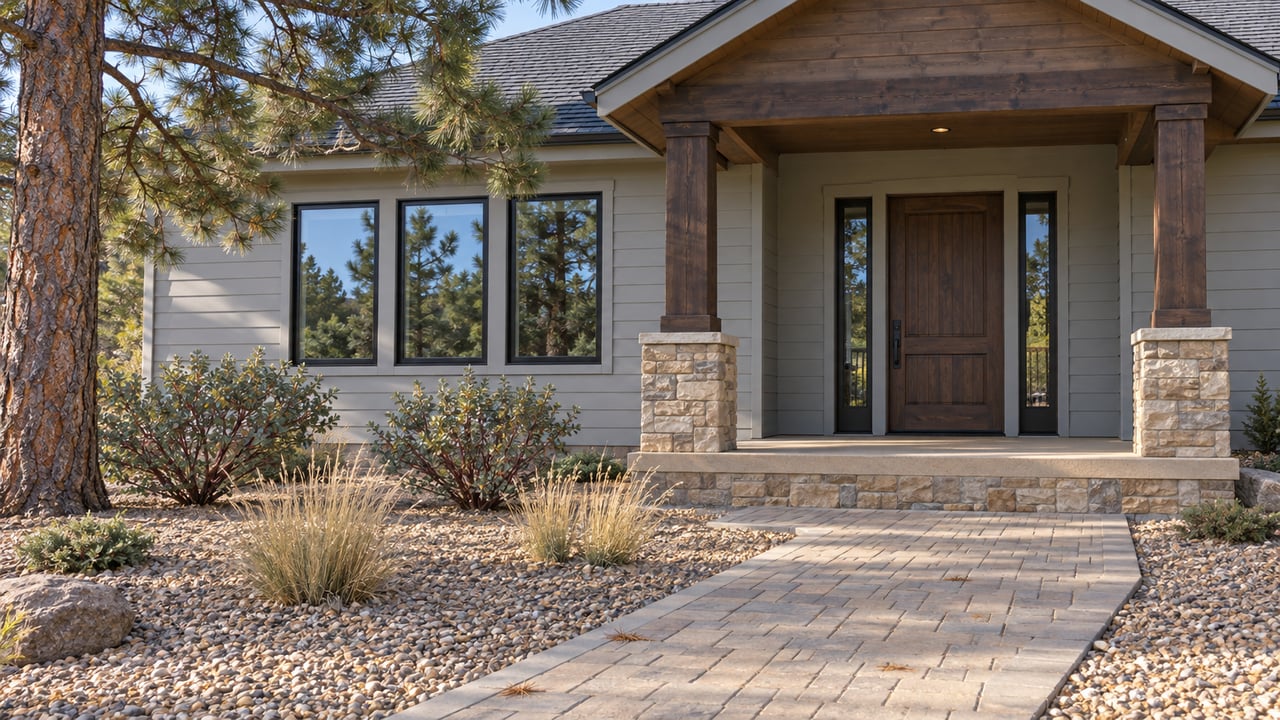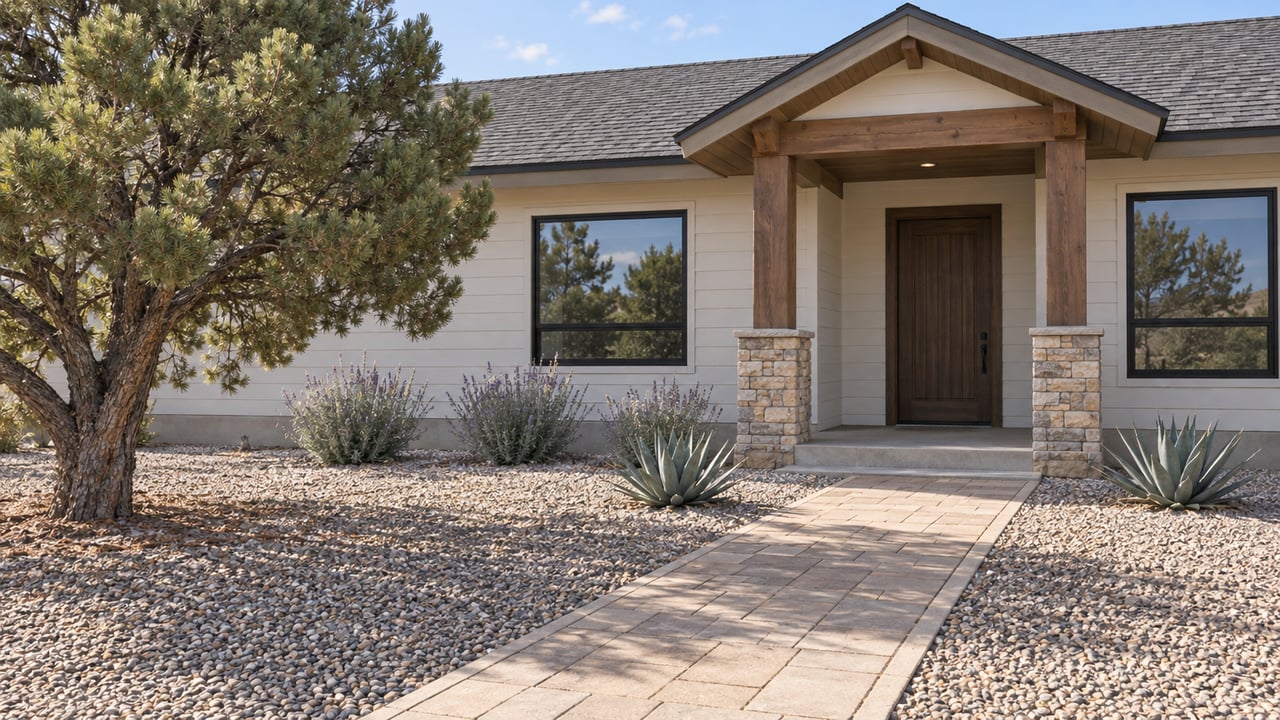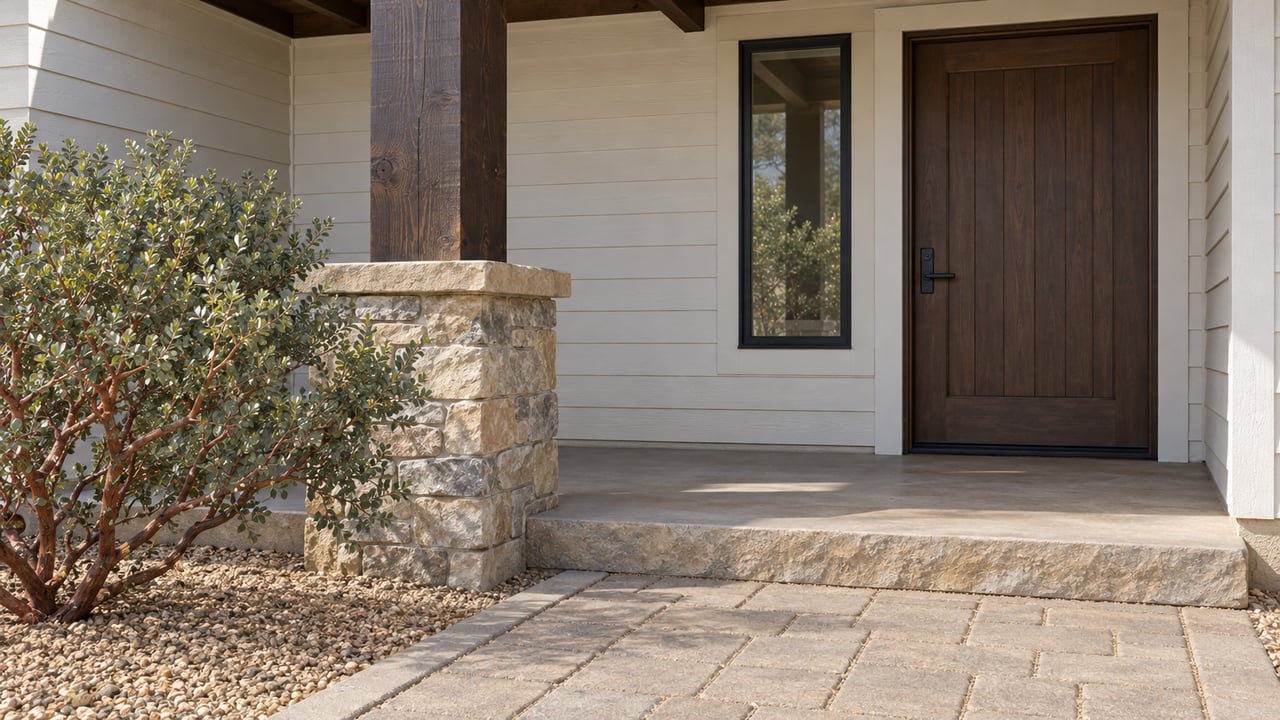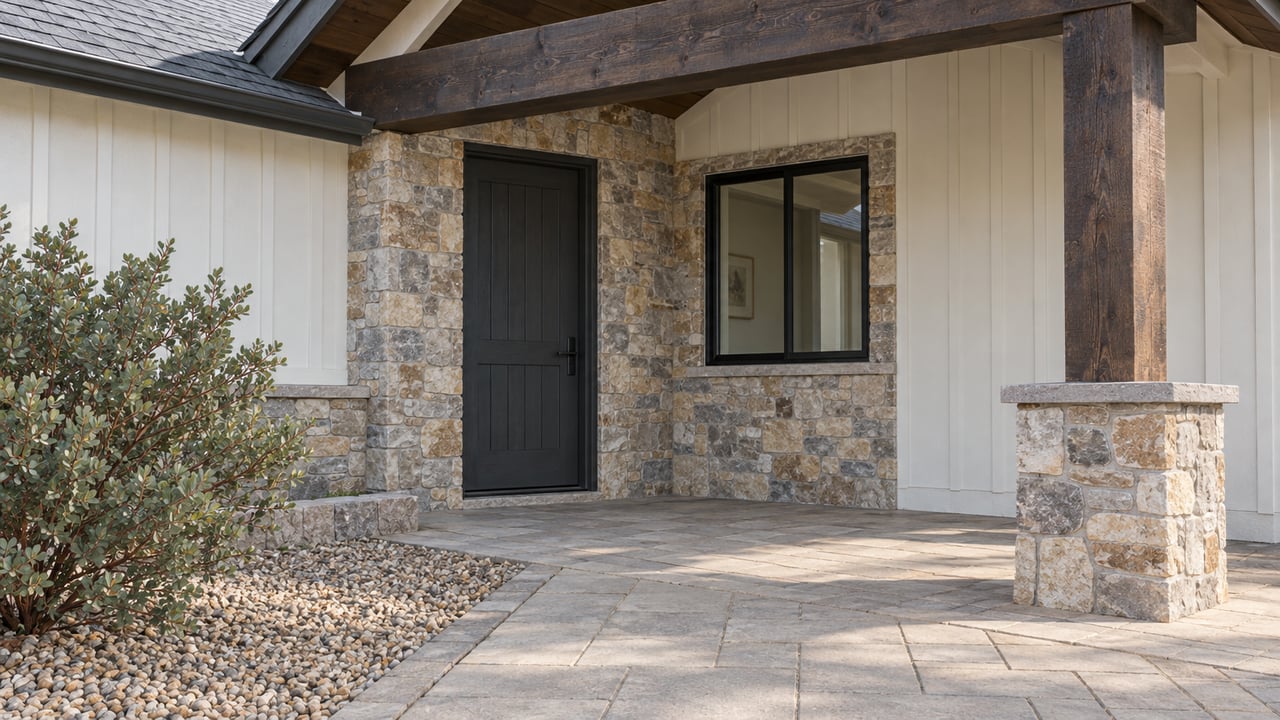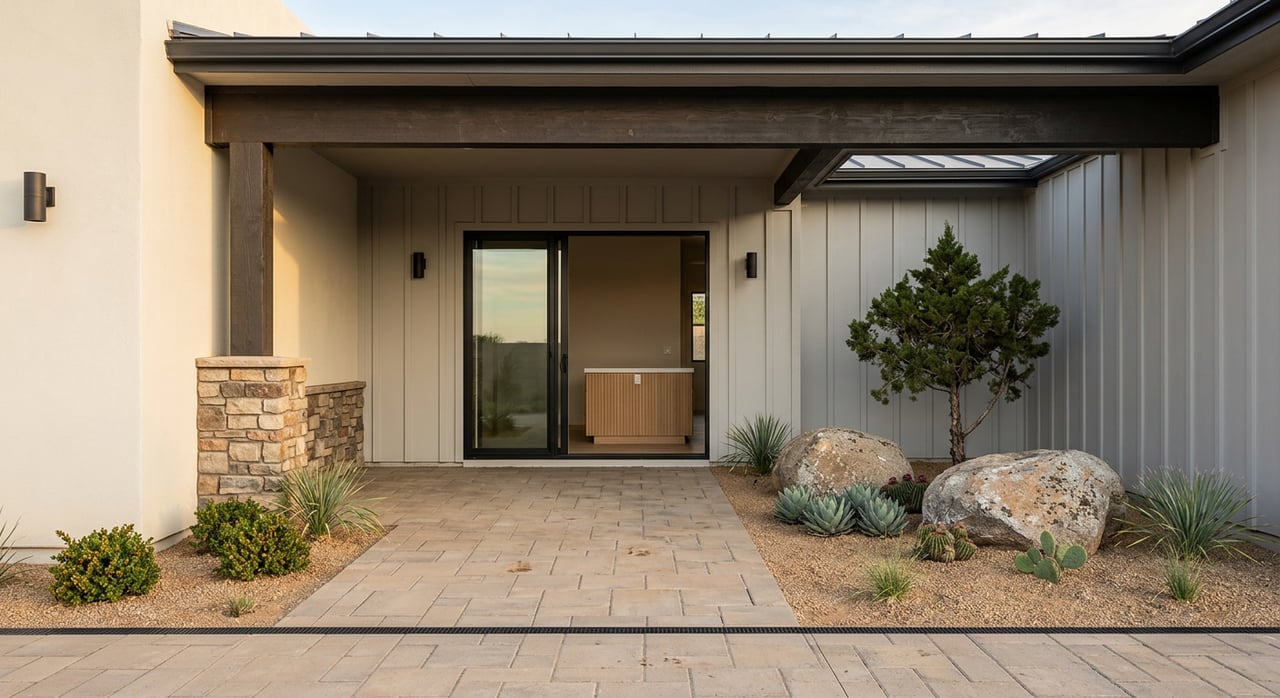
Dreaming of a custom home set among Prescott’s giant granite boulders? Enchanted Canyon offers that rare blend of sculpted rock, wooded terrain, and close-in convenience. If you want to build here, you need a clear plan that balances design goals, HOA expectations, City permits, and site realities. In this guide, you’ll get a step-by-step roadmap to pick the right lot, understand costs and timelines, and move from concept to keys with confidence. Let’s dive in.
Why Enchanted Canyon
Enchanted Canyon sits within the City of Prescott, which means you benefit from city services, clear permitting, and active wildfire resources. The neighborhood is known for boulder-laced homesites, views toward Thumb Butte and the Granite Dells, and access to nearby trails. You can preview the setting and lifestyle in the curated Enchanted Canyon neighborhood guide.
City records show Enchanted Canyon parcels are part of Prescott’s planning and utility system, which is useful when you confirm water and sewer during due diligence. See the City’s parcel listings in the committed category report for context. Recent permit activity also points to ongoing custom home building, so you’ll be in good company as you plan.
Your build roadmap
Choose the right lot
Before you write an offer, verify the essentials in writing.
- Confirm jurisdiction and subdivision status so you know the permitting authority and utility rules. The City of Prescott lists Enchanted Canyon parcels in its planning documents.
- Request the full CC&Rs, bylaws, and Architectural Review Committee (ARC) guidelines. Ask for the ARC checklist, application fees, and review timelines.
- Review easements, especially any trail easements, and ask whether cultural resources or petroglyphs are present on or near the lot. If they are, expect consultation requirements.
- Evaluate slope, drainage, and erosion controls. Prescott development standards address temporary erosion control and bank stabilization; check site plan expectations in the City’s development code resources.
- Ask about vegetation and wildfire defensible space. Prescott Fire provides risk assessments and mitigation programs you can plan around via the Wildfire Risk Management page.
- Order a title commitment and read all plat notes and easements that may limit building envelopes or access.
Verify utilities and access
Utilities vary by lot, so secure proof and pricing.
- Request water and sewer availability letters and connection fee estimates from the City. The City’s water and wastewater planning document provides helpful context.
- Confirm electric, natural gas, and communications availability, plus exact tie-in costs and who installs meters and when.
- Ask whether the lot includes an engineered pad. If yes, obtain engineering files and as-built grading records.
- Get written rules on construction hours, staging, heavy-truck routes, and any deposits if streets are private.
Design review and permits
You will work through two tracks at once: HOA/ARC and City permits.
- Start schematic design early and coordinate with the ARC. Typical submittals include site plan, elevations and materials, roof plan, landscape and defensible-space plan, driveway details, and retaining wall concepts.
- At the City, new single-family homes go through plan review and inspections. Review codes in force, checklists, and target timelines on the City of Prescott Permit Center.
- Expect submittals to include civil plans, structural engineering, drainage, and sometimes a geotechnical report, especially on steeper or rock-heavy lots.
Build among boulders
Start with surveys and soils
The local landscape is shaped by ancient granitic rock. Understanding your site early saves time and money. The Arizona Geological Survey explains the Granite Dells’ formation and rock characteristics in its geology overview, which mirrors what you see in Enchanted Canyon.
Sequence your technical work in this order:
- Boundary and topographic survey with contours and boulder locations.
- Geotechnical investigation and report, including borings or rock probes.
- Site and civil layout for driveway access, grading, drainage, and erosion control.
- Structural and foundation concept aligned with the geotechnical recommendations before ARC submittal.
Foundations and rock work
Bedrock close to grade can change your foundation approach. Depending on the geotechnical report, your engineer and builder may recommend shallow footings keyed to rock, drilled piers or micro-piles. Rock excavation may be limited or extensive. Costs vary widely by rock hardness, access, and how much material must be removed, so plan to obtain site-specific bids after geotechnical work and include a contingency for unknowns.
Preserve the landscape
Part of Enchanted Canyon’s appeal is how homes weave around the boulders. Many HOAs encourage minimal disturbance to distinctive rock formations. If you hope to highlight a dramatic boulder in a patio or view corridor, discuss rock alteration and preservation policies with the ARC early so you can design intentionally and avoid surprises during review.
Walls, drainage and erosion
Steeper sites often need retaining walls, strategic cuts and fills, and engineered drainage. Prescott standards call for temporary erosion control during construction and, in some cases, long-term bank stabilization for visible cut or fill slopes. Coordinate civil plans with the ARC and with the City’s expectations under its development standards so your submittals align.
Wildfire and insurance
Prescott sits in a wildland-urban interface, so wildfire risk is part of early design and long-term maintenance. Plan for defensible-space zones, non-combustible hardscape near structures, ember-resistant vents, and ignition-resistant roofing. These measures support safety and can help with insurance availability and premiums. Start with the Prescott Fire Department’s wildfire mitigation programs to understand inspections, chipping services, and potential grants.
Budget and timeline
Lot pricing has varied by size, pad status, and views, with past examples in the low to mid $100ks to $200ks range for buildable sites. Completed custom homes in the community have reached the seven-figure range depending on square footage and finishes. For construction, industry estimates in Arizona place custom builds roughly in the $150 to $400 plus per square foot range, with higher figures on complex sites or luxury finishes. You can review general per-square-foot guidance in this custom home cost overview, then refine with local bids.
Plan your timeline in phases:
- Pre-purchase diligence and schematic design: 4 to 8 weeks, faster if documents are complete.
- ARC review and City plan review: allow several weeks to a few months, depending on submittal quality and review cycles listed on the Permit Center.
- Construction: typically 8 to 18 months, influenced by foundation complexity, weather, and finish level.
Build in time for geotechnical work, possible cultural-resource consultation, and seasonal weather. Include a contingency in both budget and schedule to absorb rock, drainage, or access surprises.
What to ask first
Use this checklist to secure critical answers in writing before you remove contingencies.
- Recorded plat, legal description, and plat notes that affect building envelopes.
- Current CC&Rs, bylaws, ARC guidelines, application checklist, fees, and recent meeting minutes.
- City water and sewer availability letters, meter installation policy, and connection fee estimates supported by the City’s planning documents.
- Any existing soils or geotechnical reports, plus as-built grading for pad-prepared lots.
- HOA rules on construction hours, staging, heavy equipment routes, and deposits for road repairs.
- Confirmation of any trail easements and whether petroglyphs or artifacts are present. If cultural resources are identified, review the federal Section 106 applicant toolkit for process basics and consult the appropriate agencies.
Partner with a local advocate
Building in Enchanted Canyon is exciting, but the best outcomes come from a clear plan and the right team. You deserve guidance that blends design sensibility, neighborhood insight, and hands-on coordination with the HOA and City. If you want help identifying the right lot, navigating ARC and permits, and assembling trusted local pros, connect with Cheryl Fernandez for dedicated buyer representation and concierge support.
FAQs
What makes Enchanted Canyon unique for custom builds in Prescott?
- You build within City of Prescott limits on boulder-laced terrain with close access to trails and views, which means HOA design review plus City permits and careful site planning.
Do I need a geotechnical report for a boulder-heavy lot?
- Yes, plan on a geotechnical investigation to guide foundation design and estimate any rock excavation or stabilization needs before finalizing your budget and layout.
How long does City of Prescott plan review take for a new home?
- Timelines vary by submittal quality and workload, but the City posts target review cycles and checklists on the Permit Center.
Are city water and sewer available in Enchanted Canyon?
- Many parcels are planned for City service, but availability and tie-in costs vary by lot; request written utility letters using the City’s water and wastewater planning document as context.
How does wildfire risk affect design and insurance in Prescott?
- Expect defensible-space landscaping, ignition-resistant materials, and ongoing maintenance; start with local guidance from the Prescott Fire Department.
Can trails or petroglyphs limit where I can build in Enchanted Canyon?
- Yes, recorded trail easements and cultural resources can shape your building envelope; if rock art or artifacts are present, review the Section 106 toolkit and consult the appropriate agencies early.